Why Boredom is Good for Kids | Smart Parenting Blog

A study conducted by researchers at the University of Virginia found that roughly 67% of men and 25% of women would actually choose to give themselves painful electric shocks rather than sit in a quiet room with nothing but their own thoughts for fifteen minutes. It's a staggering look at our modern-day allergy to stillness. We've become a society that's deeply afraid of "white space" in our schedules, and unfortunately, we've passed that anxiety straight down to our kids. This post covers why the constant hunt for "enrichment" is actually slowing down your child's brain and why letting them sit in the discomfort of boredom is one of the most vital things you can do for their development. If you're tired of acting like a full-time cruise director for a tiny, ungrateful audience, it's time to realize that their boredom isn't a problem for you to solve—it's an opportunity for them to grow.
We live in an age of total optimization. In Boise, I see this every single weekend: parents rushing from soccer practice to Mandarin lessons to "structured playdates" as if their kid's future depends on a resume that's padded before they even hit kindergarten. There's this unspoken pressure that every minute needs to be "used" for something productive. If a child is just sitting on the floor staring at a wall, we feel a pang of guilt. We think we're failing them. But when we fill every single gap in their day, we're essentially cutting off their access to their own imagination. We're teaching them that stimulation is something that comes from the outside—from a screen, a coach, or a parent—rather than something they can generate themselves.
What happens to a child's brain when they have nothing to do?
When the brain isn't focused on a specific task or being fed a stream of digital data, it doesn't just "turn off." In fact, it enters a state that neuroscientists call the Default Mode Network (DMN). This is the part of the brain that's active when we're daydreaming, reflecting, or just letting our minds wander. It's during these "idle" moments that the brain starts making connections between seemingly unrelated ideas. It's the birthplace of creativity. Research published in Experimental Psychology has shown that people who are forced to do a "boring" task before a creative one actually perform significantly better than those who were kept busy with interesting work. You can see the study details at Nature.com for a deeper look at the data.
Beyond just being creative, boredom is a key driver for developing executive function. This includes things like planning, focus, and self-regulation. When a child says "I'm bored" and you don't immediately fix it, they're forced to problem-solve. They have to scan their environment, think about what they enjoy, and initiate an activity. That's a huge mental lift for a developing brain. If you're always the one handing them the iPad or suggesting a craft, you're doing the "mental heavy lifting" for them. Over time, that mental muscle atrophies. (And then we wonder why teenagers have such a hard time with self-motivation.)
Is it okay to let my child be bored?
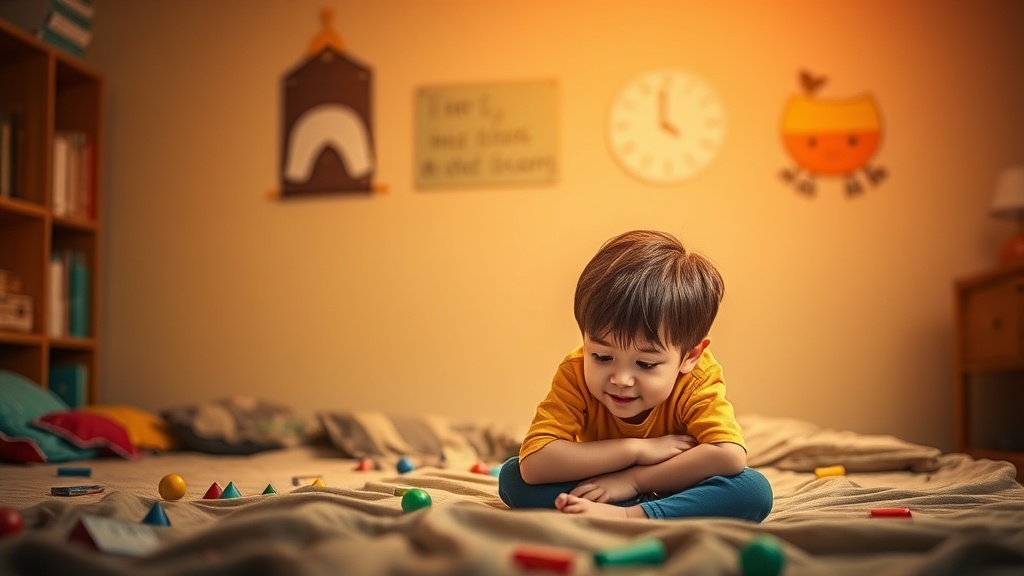
The short answer is: Yes. The long answer is: Not only is it okay, it's actually necessary. We've been sold this idea that parenting is a performance art where the goal is to keep our kids constantly happy and engaged. It's an exhausting way to live. But here’s the honest truth—your child's whining during the first fifteen minutes of boredom is just a transition phase. Think of it like a "detox" from the high-dopamine hits of modern life. They're waiting for you to provide the spark, and when you don't, they get frustrated. But if you can hold out past that initial whining, something amazing usually happens. They start to play. They find a box and turn it into a spaceship. They start an ant farm in the backyard. They actually start to think.
I've talked to so many parents who feel like they're being "lazy" if they aren't constantly interacting with their kids. But there's a big difference between neglect and giving your child the gift of autonomy. By stepping back, you're giving them the space to figure out who they are when no one is watching or directing them. This isn't about ignoring them; it's about trusting them. It's saying, "I believe you're capable of finding something to do." It builds a sense of internal competence that no "enrichment class" can ever provide. Plus, it gives you a chance to drink your coffee while it's still hot—which is a win for everyone involved.
How can parents encourage independent play without screens?
If you've spent the last few years being the Chief Entertainment Officer, you can't just quit cold turkey without a plan. You need to set up an environment that makes independent play possible. This doesn't mean buying more toys. In fact, fewer toys are often better because they require more imagination. Look for "open-ended" items: blocks, silks, cardboard boxes, or even just old kitchen utensils. These are toys that don't have a specific "right" way to play with them. They're tools for the imagination rather than static objects meant to be watched. You can find some great resources on why "less is more" at Psychology Today.
Another great trick is what I call the "Boredom Jar." This isn't a list of chores (though that's a classic parent move). Instead, it's a jar filled with scraps of paper that have vague, open-ended ideas on them. Things like "Build a fort that fits three people" or "Draw a map of a world that doesn't exist." The key is that these are starting points, not full instructions. Along with this, you have to be okay with a little bit of a mess. True, creative play is rarely tidy. If you're constantly hovering with a vacuum, you're going to kill the vibe before it even starts. Let the living room become a "fort zone" for a few hours. The developmental payoff is worth the cleanup later.
| Type of Boredom | What's Happening in the Brain | Long-Term Result |
|---|---|---|
| Screen-Based "Quiet" | Passive consumption, high dopamine, low effort. | Decreased attention span, reliance on external stimuli. |
| True Boredom (No Tech) | Active problem-solving, Default Mode Network activation. | Increased creativity, better executive function, self-reliance. |
| Structured Play | Following instructions, external validation. | Good for skills, but doesn't build internal drive. |
We also need to talk about the "15-minute hump." This is the period of time between the moment the screen goes off and the moment the real play begins. It is almost always filled with complaining, begging, and dramatic sighs. Most parents cave at minute twelve. If you can push through to minute twenty, you'll see the shift. Their brain finally accepts that the easy dopamine isn't coming, and it starts to work for the reward itself. It's like a runner's high, but for toddlers. Once they're "in the zone," don't interrupt them. Don't go in and say, "Oh, what a pretty castle!" because that pulls them out of their internal world and back into seeking your approval. Just let them be.
In a world that's increasingly loud and demanding of our attention, the ability to be alone with one's thoughts is becoming a rare and vital skill. If we don't teach our kids how to handle boredom now, they're going to struggle with it for the rest of their lives. They'll reach for their phones every time they're standing in line at the grocery store or sitting in a waiting room because they've never learned how to just *be*. We're raising a generation of people who are terrified of silence. By letting your child be bored today, you're giving them the tools to be a more thoughtful, creative, and centered adult tomorrow. So the next time you hear those two dreaded words, "I'm bored," just smile and say, "That's great! I can't wait to see what you come up with." Then walk away and let the magic happen.