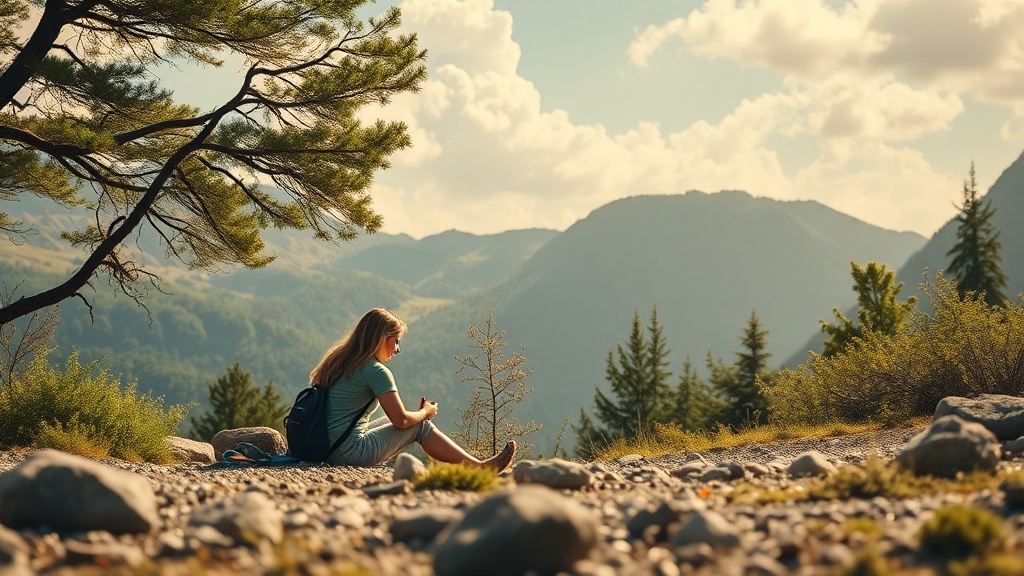
Small Wins and Big Adventures: Low-Cost Weekend Ideas for Busy Families

The Local Park Picnic Adventure
Backyard Camping Nights
Community Library Treasure Hunts
DIY Nature Scavenger Hunts
Living Room Fort Building Contests
Many parents believe that a "memorable weekend" requires a hefty budget, a flight to a national park, or a high-end membership to a local science center. This is a mistake. The most impactful family connections often happen during low-stakes, low-cost activities that prioritize presence over production. This article explores practical, budget-friendly weekend strategies that focus on quality time, developmental growth, and way more fun than sitting in front of a screen. We'll look at how to turn a simple Saturday into a meaningful event without checking your bank balance every five minutes.
What Are Some Low-Cost Weekend Ideas for Families?
Low-cost weekend ideas center on local exploration, nature, and intentional play that requires minimal equipment. You don't need to buy a new set of LEGO bricks or a high-tech board game to have a blast. Instead, look at what you already own or what your local municipality provides for free.
One of the best ways to spend a Saturday is through "Micro-Adventures." These are short, local trips that feel like big events. Think of a hike at a nearby state park or a trip to a public library to pick out a stack of new books. These activities aren't just about killing time; they are about teaching kids that the world is wide and full of wonder, even if you're just three miles from your own driveway.
The Local Library Strategy
Libraries are the ultimate parenting hack. Beyond just books, many libraries offer free passes to local museums or even state parks. Check your local branch's website. It's a way to access high-value experiences for zero dollars. If your kids are into reading, a weekly library trip builds a habit of curiosity. It's also a great way to practice literacy skills in a low-pressure environment.
The "Backyard Campout"
You don't need to drive to a designated campground to experience the outdoors. If you have a backyard, set up a tent or even just a pile of blankets. Making s'mores over a small portable fire pit or even a kitchen stove can feel like a massive event to a five-year-old. It breaks the routine and provides a sense of novelty that kids crave.
- Nature Scavenger Hunts: Grab a notebook and head to a local park. List five things to find (a jagged rock, a yellow leaf, a feather).
- Kitchen Science: Use pantry staples like baking soda and vinegar to create a "volcano." It's messy, but it's memorable.
- Neighborhood Photo Walk: Give your kid an old digital camera or a phone and ask them to capture "the most beautiful thing" on your block.
- DIY Art Gallery: Set up a corner of the living room and hang up the kids' drawings with clothespins. It validates their effort and builds confidence.
How Much Does a Family Weekend Activity Cost?
Most high-quality family weekend activities cost between zero and fifty dollars. While a trip to a theme park might cost hundreds, the activities listed here focus on the "small wins"—those moments of connection that don't require a credit card.
The real cost of a weekend isn't the money; it's the mental energy. As a parent, you might feel the pressure to "do something big" to make up for a busy work week. But honestly? A child usually won't remember if you spent $100 on a fancy dinner or if you spent two hours building a fort out of couch cushions. They remember the attention. They remember that you were actually *there* with them.
If you are trying to manage a tight budget while still providing enrichment, you might find it helpful to look at creating a family budget that works. It helps take the guilt out of the "no" when kids ask for expensive toys or outings. When you have a plan, saying "we're doing a park day instead of a movie" feels like a choice rather than a lack of resources.
| Activity Type | Estimated Cost | Skill Developed |
|---|---|---|
| Public Library Visit | $0 | Literacy & Research |
| Nature Hike | $0 (or small parking fee) | Physicality & Observation |
| Home Baking Project | $10 - $20 (ingredients) | Math & Following Directions |
| Community Festival | $0 - $20 | Social Interaction |
It's worth noting that "free" doesn't mean "low quality." A walk through a local botanical garden or a trip to a community pool can be just as stimulating as an expensive play center. The goal is to find the intersection of low cost and high engagement.
How Do You Balance Structure and Spontaneity?
Balancing structure and spontaneity is a matter of creating a "loose framework" for your weekends. You want enough of a plan so that the kids aren't bored and frustrated, but enough flexibility so that you don't feel like you're running a military operation.
A common mistake is over-scheduling the weekend. If you try to fit in a museum visit, a grocery trip, a birthday party, and a hiking trip all in 48 hours, you'll end up exhausted. Instead, try the "One Big Thing" rule. Pick one intentional activity for the weekend—maybe it's a long bike ride or a movie night—and let the rest of the time be fluid. This allows for the spontaneous moments, like a sudden interest in looking at bugs under a rock, which are often the most educational.
This balance is vital for emotional development. When we allow for unstructured time, we are actually teaching kids how to be bored—a skill that is disappearing in the age of instant digital gratification. Learning to sit with boredom leads to creativity. It's a way of building resilient kids who can find entertainment within themselves rather than relying on external stimuli.
The "Menu" Method
To make this easy, create a "Weekend Menu" on your fridge. On Friday night, write down five low-cost ideas (e.g., "Board Game Night," "Park Picnic," "Drawing Session"). On Saturday morning, let the kids "order" one activity. This gives them agency and prevents the "I'm bored" meltdown, while still keeping your costs at zero.
One thing to keep in mind: spontaneity shouldn't mean chaos. If you're a parent who thrives on routine, a completely unplanned weekend might feel stressful. You can have the best of both worlds. You might have a "routine" of a Saturday morning walk, but leave the afternoon open for whatever the weather or the mood dictates. This keeps the foundation solid while allowing for the "big adventures" that make childhood feel magical.
Ultimately, the quality of your weekend is defined by the quality of your attention. Whether you're hiking a trail in a Patagonia jacket or just walking around the block in your pajamas, the goal is to be present. That's where the real magic happens.